Forbidden books and literature as a means of escape
Unorthodox: The Scandalous Rejection of My Hasidic RootsForbidden books and literature as a means of escape are both a clandestine practice and a way for the narrator to imagine a life beyond the limits imposed on her. The library gives her a rare place to read without immediate scrutiny; the stories, in turn, make transformation seem possible before she can see a practical route out. Over time, their promise shifts from rescue by magic to the more difficult prospect of leaving Williamsburg through her own choices.
The library as refuge and risk
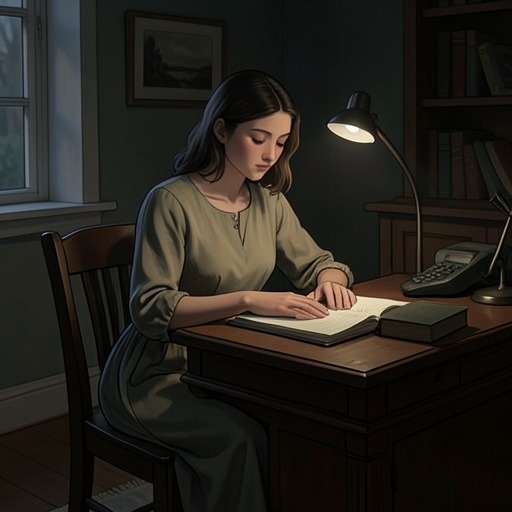
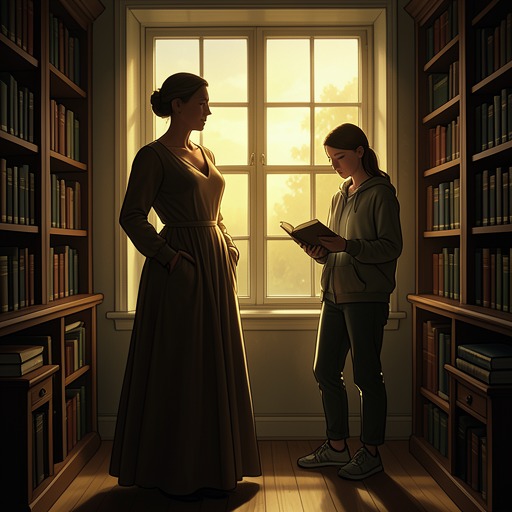
After leaving a session early, the narrator notices that a public library is only a few blocks away and has an hour and a half before she is expected back in Williamsburg. Going there is safer than visiting a library where she might be recognized. Inside, she finds a quiet space with a tall ceiling and an empty children’s section. Its seats and already-selected books make it an inviting place to stay; the librarians’ smiles feel like silent encouragement. The calm of the room allows her thoughts to expand in a way her watched and regulated life does not.
The refuge is limited by the secrecy required to reach it. At first she has no library card and cannot take books home. Reading nevertheless makes her feel so happy and free that she imagines having books constantly might make everything else in her life bearable. The distinction matters: literature is not merely an idea of escape but a temporary experience of release, while the inability to borrow books keeps that release bounded by the library visit.
That boundary also carries social risk. The narrator later recalls that she was ten the last time she entered the forbidden building, and even then she knew not to be seen. The largely empty library seemed cavernous; instead of feeling simply free, she was acutely self-conscious and felt watched by God. As she grows older, she fears that discovery could undo her carefully cultivated standing among her peers and make the remaining years of school harder. Her clandestine reading therefore develops alongside caution: she wants access to books without paying the public cost of being known as a reader.
Stories that make another life imaginable
Children’s literature offers the narrator characters who seem to share her condition. She recognizes herself in Roald Dahl’s precocious, unfortunate children, neglected or disliked by families and peers. That sense of recognition turns reading into more than distraction: the books appear to address an experience she cannot comfortably express in her own community.
The plots also furnish a vocabulary for imagining change. After reading James and the Giant Peach, she dreams of rolling away inside a fruit from Bubby’s garden. She looks to stories in which a strange, misunderstood child is transported into a different world and discovers that the old life was a mistake. She imagines falling into Wonderland or passing through the back of a wardrobe into Narnia, because the ordinary world around her does not feel like a place where she belongs.
In Matilda, the decisive turn comes when the child discovers a hidden power. The narrator wonders whether a similar capacity lies dormant in herself, and whether such a discovery could make sense of her life and carry her toward safety, as Matilda goes home with Miss Honey. The possibility is consoling precisely because it promises that the person dismissed or misunderstood may be extraordinary after all. Yet the narrator’s reliance on that pattern also exposes how completely she expects change to arrive from outside herself.
Children’s books habitually end happily, and, having not yet begun to read adult books, she accepts that convention as a model of how the world ought to work. She waits for someone to rescue her as characters are rescued. The realization that no one will come is a painful break with the stories’ assurance: literature has made justice imaginable, but it cannot guarantee that justice will arrive in her own life.
Reading beyond the schoolroom
After camp ends a week early, the narrator has time before school begins to pursue her interests. Between shopping trips with Bubby for shoes and stockings, she takes a bus to Borough Park, determined to bring books home. She has read nothing all summer because taking books to camp would have been too dangerous. The trip restores a measure of privacy and time to herself, as well as the possibility of reading away from the library.
There she takes the latest Harry Potter book, the first volume of Philip Pullman’s trilogy, and the library-recommended A Tree Grows in Brooklyn. She remembers The Chosen as a source of warmth and connects the new novel’s heroine to her own life: both are girls growing up in Brooklyn. That identification is not uncomplicated. Francie’s impoverished world seems crowded with suffering, while the beauty of literature sits uneasily within it. The narrator follows Francie’s gradual movement toward greater material comfort and feels personally invested in her disappointments, as if Francie’s ability to emerge from hardship might offer a model for her own escape.
Francie’s eventual departure for college brings the conflict between literary possibility and communal limits into focus. The narrator knows she cannot attend college: the word is censored from her textbooks, and education is presented as leading toward danger. Zeidy has warned that the path away from Williamsburg can draw a Jew away from God. The novel therefore offers neither an uncomplicated blueprint nor an easy assurance. College represents an opening beyond the narrator’s prescribed world, but she has also been taught to fear what crossing that threshold might cost.
From imagined rescue to intention
The secrecy of reading changes form as the narrator learns to protect her access to books. Afraid that returning to a familiar library could expose her to recognition, she rides the city bus thirty minutes to the Mapleton branch. There she can browse the back shelves before approaching the desk. She obtains a library card and hides it between the box spring and mattress; thin paperbacks go there too, while hardcovers are concealed behind the dresser. These practical arrangements turn reading from a brief visit into a concealed part of daily life, sustained through deliberate evasion.
The resulting movement is not a simple rejection of the stories that first sustained her. Their promise of another life remains, but the narrator begins to distinguish between waiting to be transported elsewhere and taking steps toward departure. After reading about Francie, she resolves to leave Brooklyn one day. She does not know how, and allows that it may take years; what she can imagine is a series of small, steady steps. Literature thus works both as shelter and as rehearsal: it gives her models for survival and change, while the act of finding, borrowing, and hiding books becomes an early exercise in pursuing a future she has been told is unavailable.